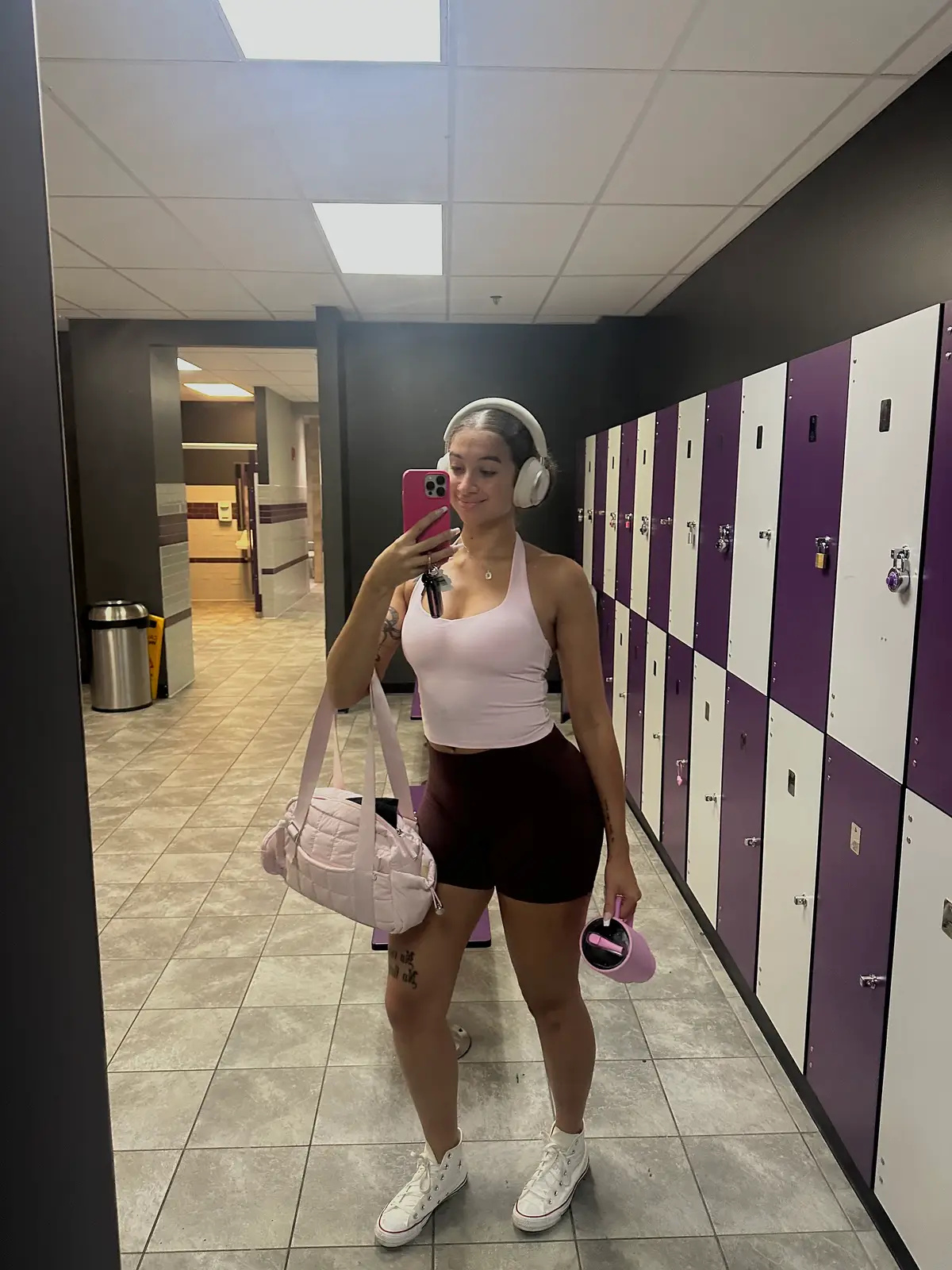
What Is Body Positivity? A Beginner's Guide to Loving Your Body
Body positivity is about respecting your body right now, not waiting until it hits some random goal weight, shape, or look. This beginner's guide breaks down what body positivity means in 2025, how it connects to mental health, and simple habits that help you feel safer and softer in your own skin. Think of this as your big-sis crash course on leaving body hate behind and stepping into real self-love.
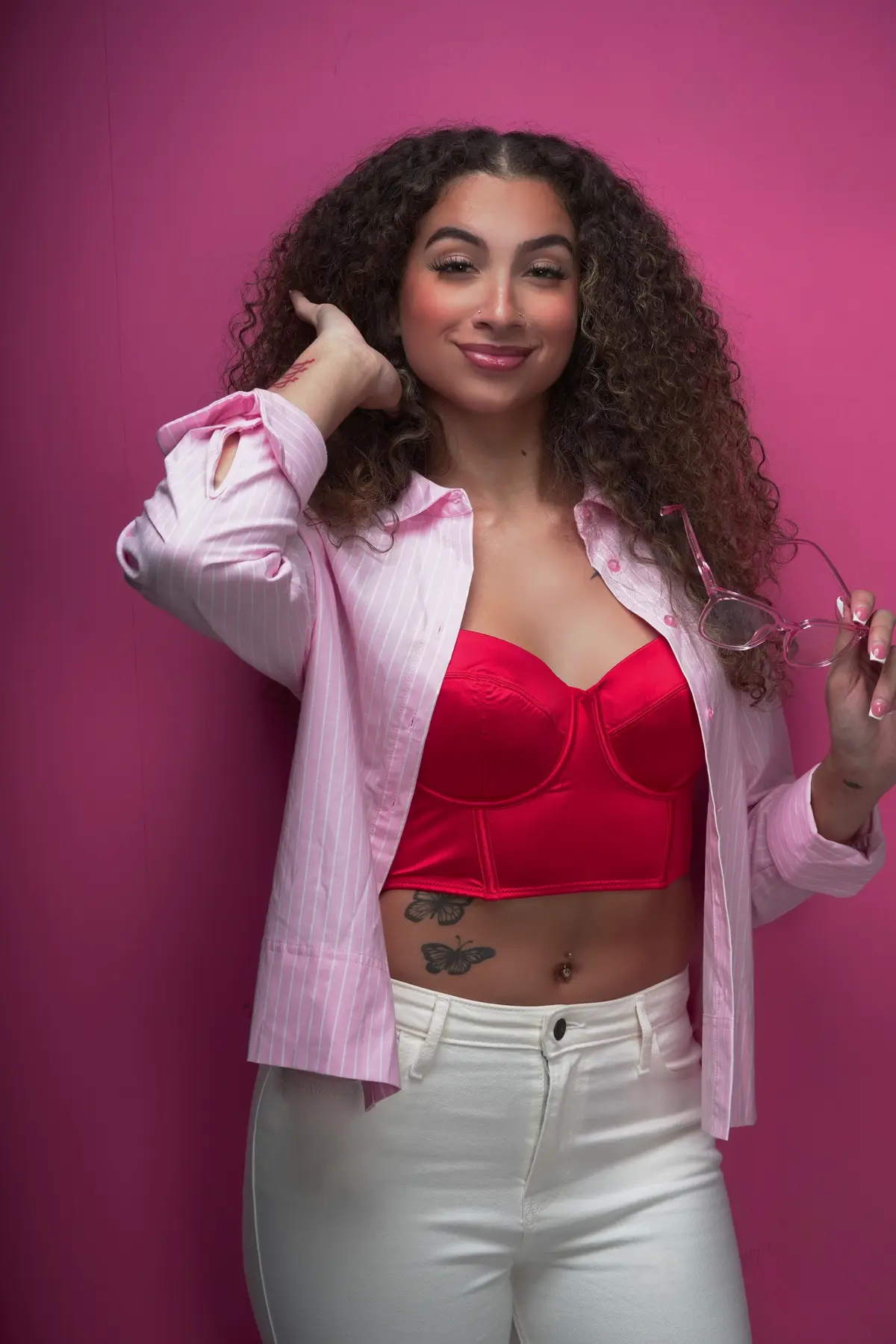
TL;DR
Body positivity is about respecting your body right now, not waiting until it hits some random goal weight, shape, or look. This beginner's guide breaks down what body positivity means in 2025, how it connects to mental health, and simple habits that help you feel safer and softer in your own skin. Think of this as your big-sis crash course on leaving body hate behind and stepping into real self-love.
Girl, we need to talk.
If you have ever stood in front of a mirror picking yourself apart like it is your full-time job, this one is for you.
Maybe you already pulled up your camera today, flipped it to selfie mode, and instantly zoomed in on your stomach, your arms, your face, your height, your skin, your everything. Then you backed out and thought, "Yeah, no. Not posting that."
Hi, I have lived that moment more times than I can count.
For a long time I hated my height and called my curls "poofy" like it was an insult. Now my curls are literally my logo and my tall body is part of my brand. That did not happen from some magic filter. That came from changing my relationship with my body, not changing my body overnight.
Body positivity is a big phrase online right now, so I want to break it down in normal human language. No textbook talk. Just girl to girl.
Understanding Body Positivity in 2025
Body positivity is not a trend, even though social media treats it like one sometimes. At its core, body positivity is about all bodies having value and deserving respect, care, and access, no matter size, ability, color, gender, or shape.
It pushes back on the idea that only one tiny group of bodies are "good enough" to show, love, or celebrate.
In 2025, you can scroll and see curvy girls, disabled creators, dark skin, scars, stretch marks, tall girls, short girls, muscle girls, flat-chested girls, moms, non-binary folks, bigger bodies, smaller bodies, and everything in between. The movement made that possible. We did not see that kind of range on TV when we were kids.
At the same time, the internet loves to water big movements down into "cute" sound bites. So people slap "body positivity" under any video where they eat pizza and grab their stomach for five seconds. That might be one tiny part of it, yet the heart of body positivity runs deeper.
The History of the Body Positivity Movement
Quick little history lesson, big sis style.
Body positivity did not start as an aesthetic on Pinterest. It grew out of fat acceptance activism, where people in larger bodies fought for basic respect and equal treatment. That included things like:
- Calling out medical fat-shaming
- Pushing for seating that fits more bodies
- Challenging the idea that thin always equals healthy
- Asking why bigger bodies get treated like a problem to solve
Over time, more people joined the conversation. Different communities spoke up about race, ability, gender identity, and how all of those relate to body image. Mainstream brands caught on, which helped in some ways and watered things down in others.
Now we have two things happening at once:
- Real work around shame, access, and human rights
- Cute selfies with "body positivity" in the caption
Both exist, yet I want you to remember where it came from. This started with people saying, "Hey, I deserve to exist without constant disrespect." That same energy lives inside you whenever you decide your body is not up for public debate.
Body Positivity vs Body Neutrality
You might have seen the phrase "body neutrality" floating around too and thought, "Girl, how many body words do we need?"
Short version:
- Body positivity says, "My body is worthy and beautiful right now. I can love it and celebrate it."
- Body neutrality says, "My body is not my main focus. It is just my home. I do not need to love it every second, yet I can treat it with basic respect."
Body positivity feels loud and celebratory. Think bikini pics, crop tops, stretch marks on the feed, "I love my belly" captions.
Body neutrality feels calm. Think, "I do not obsess over how my thighs look today. I just put pants on and go live life."
Both can help. Some days you might feel body positive and truly love the mirror. Other days, your mental health might sit closer to neutrality. So you aim for "respect" instead of "love." That still counts as growth.
If you want a bigger picture of how all of this connects to your whole self, my post The Complete Guide to Self-Love holds the full self-love story and this body talk sits inside that.
Why Body Positivity Matters for Your Mental Health
Let's be real. This is not only about photos and outfits. Your body story affects how you move through life, how you show up around people, and how you speak to yourself in your own head.
When you hate your body, everything feels heavier. Simple things like going to the beach, buying jeans, or taking a group picture can trigger a spiral. Now add social media, filters, and comments on top of that. Whew.
The Connection Between Body Image and Self-Worth
Think about how often body thoughts pop up in a single day:
- Getting dressed
- Walking past a mirror
- Sitting down and seeing your stomach fold
- Eating around other people
- Filming a video
- Posting a picture
If every one of those moments turns into "I look disgusting, I need to hide, no one will like me like this," your brain links your worth to your body.
You might:
- Avoid social events
- Stay quiet in class or meetings
- Keep your camera off during calls
- Turn down dates
- Shrink your personality to match how small you want your body to be
That is not a small thing. That is your life.
When you shift toward body positivity, you do not erase insecurity with one quote. You start separating "my worth" from "my waist." You still notice your body, yet you stop treating it like the only interesting thing about you.
I remember when I stopped hating my height. For years I slouched in photos, wore shoes that made me look shorter, and felt "too much" next to shorter friends or guys. Once I decided tall girls deserve soft love too, my posture changed, my style changed, and my confidence came with it. Nothing about my bones changed. Only my mindset did.
How Diet Culture Hurts Us All
Diet culture is that loud voice that says:
- "Smaller is always better."
- "You need to earn food."
- "Carbs are evil this month."
- "No one will want you with that stomach."
It shows up in:
- Teen magazines telling you how to "get a beach body"
- Family members making comments at dinner
- Fitness trends that focus on punishment, not strength
- Before-and-after photos that treat the "before" version like a villain
Diet culture loves insecurity, since insecure people spend more money and energy trying to fix themselves.
This does not mean health does not matter. Moving your body and feeding it well can feel amazing. I am a gym girl, so you know I am here for strong glutes and stamina. The problem starts when health turns into obsession, shame, or punishment.
Body positivity invites you to care for your health from love, not fear. You can go to the gym because you like feeling strong, not from panic about how your body looks in one clip. You can eat salad and pasta in the same week without crying into your bowl.
How to Practice Body Positivity Daily
Body positivity lives in tiny moments more than big speeches. You do not need to stand in front of the mirror yelling "I AM A GODDESS" for twenty minutes. You can if you want, but small daily shifts add up faster.
Here are some doable ways to start.
1. Curate Your Social Media Feed
Your feed is like a mental diet. If every swipe shows one narrow body type with the same face, you will start to treat that look as the standard.
Audit your feed like a boss:
- Unfollow or mute accounts that trigger heavy comparison or body hate
- Follow creators with body types similar to yours
- Add accounts that talk about body positivity, body neutrality, and self-love in a way that feels grounded
- Notice how you feel after scrolling: lighter, heavier, numb, inspired? Adjust from there
You are not weak for muting people. You are in charge of what you consume.
2. Challenge Negative Body Thoughts
That mean voice in your head loves to talk. Time to talk back.
Next time you catch a thought like, "My stomach looks huge in this," try this little pattern:
- Catch it: "I just insulted my body."
- Name it: "That sounds like diet culture, not my true opinion."
- Flip it: "My stomach folds when I sit because I am a human, not a statue."
You can even say, "We are not doing that today," out loud. I do that in my bathroom sometimes. We are not about to stand here and bully ourselves before brunch.
This will feel weird at first. Old thoughts have years of practice. Give your new ones time to gain strength. If you want more help with this inner work, my post How to Practice Self-Compassion walks you through being gentler with yourself when those harsh thoughts hit.
3. Appreciate What Your Body Does
If loving how your body looks feels too far away right now, shift to what it does.
Your body:
- Carries you through Target runs and airport security lines
- Holds your laughter with your friends
- Lets you hug people you love
- Heals cuts and bruises
- Pumps blood, digests food, and keeps you breathing even when you are asleep
Make a mini list of body functions you appreciate. Legs that walk, arms that carry, lungs that expand. Gratitude can soften harshness.
You do not have to pretend every feature is your favorite. You can still say, "I am not obsessed with my stomach today, yet my body gave me the energy to work and laugh and learn, and I am grateful for that."
4. Wear Clothes That Feel Good
Your clothes should fit your body, not the other way around.
Stop punishing yourself with jeans from three years ago that cut off your circulation. That does nothing for your confidence.
Tips:
- Buy items that fit the body you have right now
- Choose fabrics and cuts that make you feel secure and comfy
- Play with color and style instead of only focusing on size
- Tailor pieces if you can, especially pants, since bodies are not built in "standard" sizes
For my tall girls, finding pants and sleeves that actually reach can change your whole mood. When you stop tugging and adjusting all day, you can focus on living instead of hiding.
5. Speak Kindly to Yourself
Talk to yourself like someone you love. I say this all the time, and I mean it.
Self-talk scripts to try:
- "I look like me, and that is special."
- "My body tells my story, and I am proud of her."
- "I deserve photos with my people, even on bloated days."
- "I am allowed to exist without apologizing for my shape."
You can put sticky notes on your mirror, set reminders in your phone, or record voice memos hyping yourself up. It might feel cringey at first. I promise your brain is listening. Want more phrases like this? My post Self-Love Affirmations has 50 ready-to-use lines.
Common Body Positivity Myths
Any time a movement grows, myths attach themselves. Let's clear a couple up so they do not hold you back.
"Body Positivity Means You Can't Want to Change"
Some people hear "body positivity" and think, "So I have to stay exactly like this forever and never have goals?"
No.
Body positivity says you can treat your body with respect at every stage. You can still:
- Build muscle
- Work on strength or flexibility
- Support your heart health
- Play sports
- Heal health conditions with professional support
The key is the motivation behind it. Are you changing from fear and self-hate, or from love and care?
Example:
- Self-hate voice: "You better lose weight or no one will want you."
- Self-love voice: "I want more energy and strength for my future, so I am going to move my body and feed it in ways that support that."
Same gym membership, totally different energy.
"Body Positivity Is Only for Certain Bodies"
Another myth says body positivity is only for smaller girls with a tiny bit of insecurity posting on Instagram. Meanwhile, people in bigger or disabled bodies get pushed aside.
The original movement centered bigger bodies on purpose, since those bodies face more bias. So yes, the loudest voices should include them. At the same time, every human deserves a kinder relationship with their body.
If you are skinny and insecure, you still need healing. If you are tall and awkward, you still need healing. If you live with visible or invisible disabilities, you still need healing.
The key is this: learn, listen, and respect experiences that differ from your own. Do not take up space in conversations that are not about you, yet do not exclude yourself from the work of body love just because you feel "not enough" or "not big enough" or "not curvy enough" to qualify.
Body shame wears many outfits. Every one of them needs care.
FAQ Section
What is the difference between body positivity and body neutrality?
Body positivity focuses on loving and celebrating your body. It treats your body as worthy of praise, photos, and compliments at any size or shape. Body neutrality focuses on respect and function. It lets you step back from constant body thoughts and say, "My body is just my home. I do not need to obsess over it today." Both support a healthier body image, and you can move between them depending on how you feel.
How do I stop hating my body?
Stopping body hate starts with small, honest shifts. Notice harsh thoughts, call them out as learned beliefs, and replace them with gentler lines. Adjust your social media feed, wear clothes that fit today, and practice gratitude for what your body does, not only how it looks. Supportive friends, therapists, and creators who talk about body positivity can help you keep that mindset when old patterns show up.
Is body positivity healthy?
Yes, body positivity can support both mental and physical health. When you respect your body, you are more likely to feed it well, rest, move in ways that feel good, and speak to yourself with kindness. That kind of care supports long-term health much more than crash diets or shame-based workouts. If you have health concerns, a body-positive, weight-neutral professional can help you care for your body without fear tactics.
Body positivity is not about loving every angle in every lighting for the rest of your life. It is about building a kinder, safer relationship with the body you live in, so you can actually enjoy your life instead of spending all your time fighting your reflection.
You deserve to take up space in photos, in rooms, on screens, and in your own thoughts. Your body carries your laughs, your ideas, your love, your future. She has your back every single day. The least you can do is start talking to her like a friend.
Key Statistics
Body dissatisfaction is a significant risk factor for depression, low self-esteem, and eating disorders
Research on body image and mental health
Social media use is associated with increased body image concerns and comparison
Studies on social media and body image
Frequently Asked Questions
Related Posts
Growth Mindset vs Fixed Mindset: Which Do You Have?
This post breaks down what a growth mindset is, how it compares to a fixed mindset, and how to shift your thinking so you stop giving up on yourself. You will learn clear examples, real-life signs, and simple mindset habits you can use every day. If you stay to the end, you will walk away knowing exactly where you stand right now and how to move toward a growth mindset.
Inner Beauty: Why It Matters More Than You Think
Inner beauty is the mix of your kindness, character, emotional maturity, and authenticity that people feel when they are around you. Outer looks get the first glance, inner beauty decides who stays and how you feel about yourself long term. This post breaks down what inner beauty is, why it gets ignored, and how to grow it in daily life.
The Complete Guide to Creating Your Ideal Daily Routine
This daily routine guide helps you build a morning routine, workday flow, and evening routine that fit your real life instead of Pinterest fantasy. You will learn how to stack simple productive habits so your days feel calm, clear, and still very you. Bookmark this as your big sister playbook for days that feel less chaotic and more 'Lyss 5.0 is loading.'